
For wholesale buyers, choosing a dependable China supplier for Bulk Impact Gloves is more than comparing prices. The right gloves can help protect workers’ hands from knocks, pinches, and rough handling during demanding tasks. Yet product names alone do not tell the full story. Fit, materials, impact protection design, and consistency between samples and bulk orders all deserve close attention.
A practical supplier should explain glove construction clearly, including the placement of impact-resistant padding, palm coating, stitching, and available sizes. Ask for product specifications and sample pairs before confirming a large order. Check how the gloves feel when gripping a tool, lifting a carton, or handling equipment in a cool warehouse. Small details matter. A stiff cuff or slippery palm can affect comfort during a long shift. Buyers should also clarify packaging, lead times, customization options, and quality checks in writing. These steps make expectations easier to review if an order changes.
No supplier can make every product right for every job. That is worth remembering. A glove suited to general material handling may not fit tasks requiring fine finger control, and a sample may not reveal every production issue. Compare the stated product features with the actual work environment, and request relevant test information where available. Reliable communication matters as much as a competitive quotation. This guide explores how wholesale buyers can assess China-based suppliers, evaluate Bulk Impact Gloves, and make purchasing decisions with clearer expectations. Some uncertainty remains, so careful verification is part of the process.
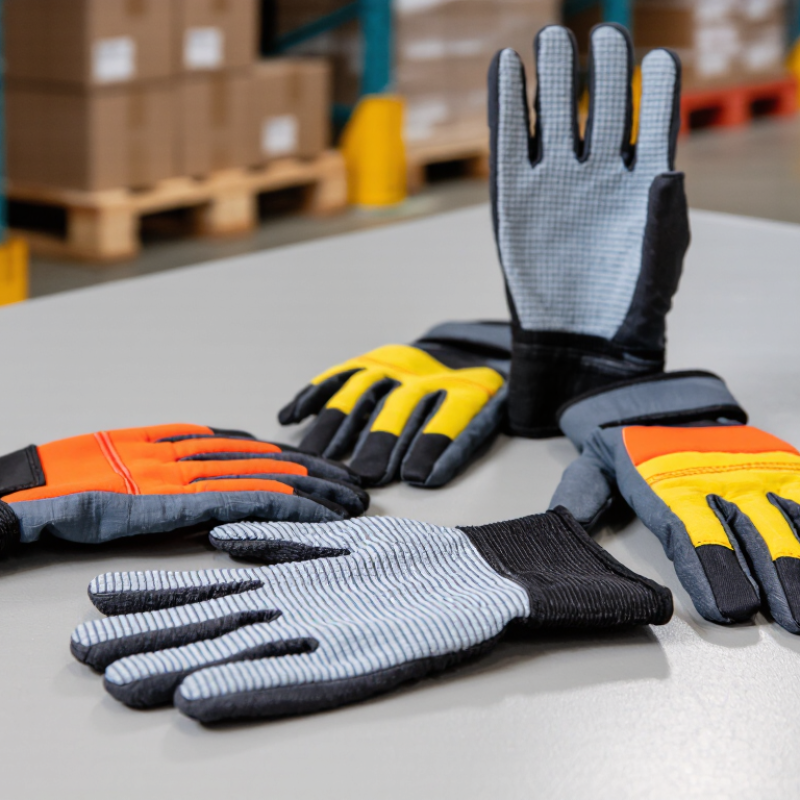
Bulk impact gloves protect workers from crushed fingers, struck knuckles, and sharp handling surfaces. They combine abrasion-resistant fabric with molded impact guards. The International Labour Organization reported 395 million nonfatal work-related injuries worldwide in 2023. Hand protection remains a practical control, especially where machinery and materials move continuously.
These gloves suit metal fabrication, construction, warehouse loading, glass handling, and equipment maintenance. ANSI/ISEA 138-2019 evaluates back-of-hand impact protection, while EN 388 measures abrasion, blade cut, tear, and puncture resistance. Buyers should compare tested performance with actual hazards. A thick glove may resist impacts well but reduce finger movement. That trade-off is easy to underestimate. Bulk orders also require consistent sizing, stitching, coating quality, and batch inspection. A low unit price means little if workers remove uncomfortable gloves.
Tips: Request test reports and production samples before ordering. Match glove size charts with real worker measurements. Check palm grip after exposure to oil, dust, or moisture. Store cartons away from heat and direct sunlight. Keep several sizes available; one-size purchasing often creates poor fit and lower compliance. No glove is perfect. Supervisors should review damaged pairs, near misses, and worker feedback every month.
China Best Bulk Impact Gloves Supplier for Wholesale Buyers
Materials, Design, and Protective Features of Impact Gloves
In bulk sourcing, I inspect the materials before comparing unit prices. Nylon and polyester shells offer flexibility, breathability, and stable sizing. Synthetic leather adds structure around the palm and fingers. A nitrile coating improves grip on oily or dry surfaces. However, coatings can reduce airflow when applied too heavily.
The back-of-hand protector usually uses thermoplastic rubber or molded impact foam. Its shape should follow natural finger movement without creating pressure points. Reinforced stitching around the thumb saddle helps reduce early tearing. Adjustable wrist closures keep the glove secure during repeated lifting. Small details matter.
A thicker glove is not automatically safer. I have seen bulky designs limit grip and slow hand movement. That weakness deserves attention. Buyers should request abrasion, tear, puncture, and impact test data for each model. Test results should match the final material, size range, and production batch. Sample checks can reveal loose threads, uneven coating, or hard edges before a large order ships. For wholesale programs, consistent sizing and clear inspection records are as important as protective features.
Materials, design, and protective features of impact gloves
Common constructions combine a knitted nylon, polyester, or HPPE liner with a nitrile or polyurethane palm coating. Thermoplastic rubber is commonly molded onto the back of the hand and fingers for impact coverage.
Key design factors include flexible finger zones, reinforced palms, secure cuffs, breathable back panels, and impact protectors positioned over exposed knuckles and finger joints.
Under EN 388:2016, abrasion, tear, and puncture are rated from 1 to 4, while the ISO 13997 cut test is rated from A to F. Impact protection is identified separately with the letter P when the test is passed.
China Best Bulk Impact Gloves Supplier for Wholesale Buyers
When evaluating impact glove suppliers in China, begin with factory evidence, not polished product photos. Ask for a current business license, production address, and a live video tour. The supplier should explain where shells, liners, coatings, and packaging are sourced. Request samples from the same production line used for bulk orders. Check palm grip, finger mobility, cuff stitching, and impact protection under repeated handling. Relevant test reports should identify the exact glove model, laboratory, test date, and performance results. Standards such as EN 388 or ANSI/ISEA 138 can support comparison, but a certificate alone proves little. Details matter.
Review the supplier’s quality process in practical terms. Ask how workers record defects, control sizing, and separate approved cartons. Confirm inspection points before production, during assembly, and before shipment. A reliable supplier should provide batch numbers and clear replacement procedures. Check minimum order quantities, lead times, payment terms, and sample fees in writing. Communication speed is useful, but technical answers matter more. Ask what happens when an order fails inspection. The response can reveal real experience.
Do not accept every promise.
I once considered low pricing a strong advantage, but inconsistent sizing can erase the saving. Buyers should compare landed cost, not unit price alone. An independent pre-shipment inspection may add expense, yet it can expose coating flaws or missing cartons before departure. Supplier evaluation is not perfect. Keep records, test periodically, and review performance after each shipment.
For wholesale buyers, impact gloves should be verified beyond appearance. A thick back-of-hand guard does not prove reliable protection. Ask for the exact material specification, test standard, and production batch details. Check abrasion, cut, tear, puncture, and impact performance through independent laboratory reports. The report should match the supplied model, size range, and manufacturing date.
Small details matter. Examine stitching around the thumb, palm, and protective shell. Pull the seams gently and inspect loose threads. Confirm that the shell stays aligned during repeated hand movement. Measure palm width, finger length, cuff opening, and total weight against the approved sample. A practical fitting test can reveal pressure points that product photos hide.
Documentation needs careful review. Request a quality-control plan, material inspection records, and pre-shipment sampling results. A supplier should explain its acceptable defect limits, replacement process, and batch traceability system.
Factory audits can verify equipment, worker training, storage conditions, and inspection routines. However, paperwork can still be incomplete. I have seen reports with unclear model numbers and outdated test dates. Treat that as a warning, not a minor clerical issue.
Keep sealed samples from each shipment for later comparison. Record defects with photographs, measurements, and batch codes. This makes supplier discussions more factual and less dependent on memory.
Bulk impact glove purchasing from China requires more than comparing unit prices. Experienced buyers usually begin with a clear specification sheet. State the palm material, impact protection level, coating, sizes, colors, and packaging needs. Request samples before confirming production. A sample can reveal stiff fingers, uneven coating, or poor stitching.
Customization works best with measurable details. Suppliers can adjust logos, cuff labels, carton markings, and private packaging. Confirm artwork dimensions and print colors in writing. Ask for pre-production samples. Small changes may affect the minimum order quantity or production schedule. Do not rely on photos alone. They hide texture and fit problems.
Logistics should be planned before the deposit is paid. Confirm carton dimensions, gross weight, pallet use, loading port, and delivery terms. A packing list and commercial invoice must match the shipment. Ask for inspection records and applicable test reports, such as relevant mechanical protection standards. Keep a buffer for production delays and port congestion. In practice, the cheapest freight option is not always the most reliable. We have seen rushed orders arrive with mixed sizes and incomplete cartons. A final count before loading would have prevented that mistake. Reliable communication, documented approvals, and staged quality checks make bulk purchasing easier to control.