
Choosing the right Chrome Photo Frame involves more than matching a shiny finish to a favorite picture. The frame must protect the image, support the room’s style, and remain practical for everyday use. Chrome can look crisp beside white walls, dark wood, glass tables, or modern office furniture. Yet, its reflective surface may also reveal fingerprints, dust, and harsh lighting.
Professional picture framer Chris Paschke offers a useful principle: “The frame should serve the art, not compete with it.” This idea guides the seven tips in this article. Each tip examines a real buying decision, including frame size, metal quality, photo protection, mounting depth, finish, cleaning needs, and overall value. Small details matter. A thin border may suit a minimalist portrait, while a wider profile can give a family photograph more visual weight.
I have seen chrome frames chosen only for their appearance. That can become a mistake. A highly polished edge may create glare near a sunny window. Cheap plating may lose its clean appearance after repeated handling. The best choice balances beauty with durability. It should feel stable in your hands, hold the photo evenly, and fit the display space without looking forced. Some recommendations may not suit every room, and that is worth admitting. Personal taste still matters. These practical checks can help you choose with greater confidence and avoid an attractive but disappointing purchase.
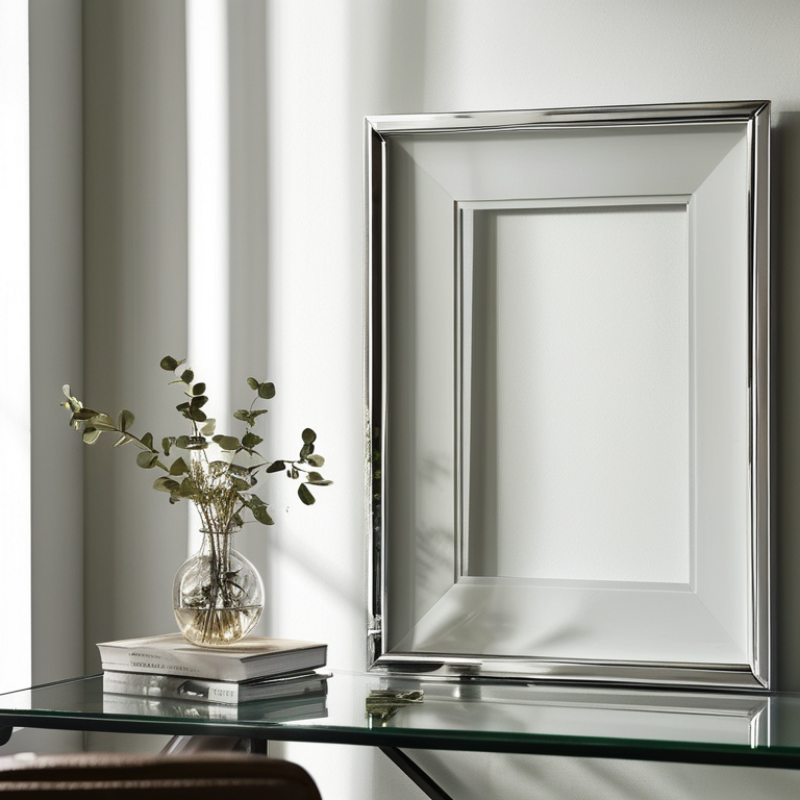
Before choosing a chrome photo frame, measure the wall, shelf, and viewing distance. A 2024 U.S. Houzz & Home Study reported that 54% of homeowners completed renovation projects in 2023. This suggests many display areas are being redesigned, not simply decorated.
Decide what the frame must hold. A wedding portrait needs a calm, balanced border. A small travel print may suit a thinner profile. Chrome reflects light, so avoid placing it directly opposite a bright window. Leave at least 5–8 centimeters around the frame for visual breathing room. I once chose a frame that looked elegant online but felt oversized above a narrow console. The measurement was correct. The judgment was not.
Tips: Sketch the wall first. Mark the frame’s outer dimensions with paper. Stand two meters away and check the scale. For a gallery wall, keep consistent gaps of about 5–8 centimeters. Houzz design professionals often emphasize function and room proportion when planning updates. Still, reports cannot predict every home. Your lighting, furniture height, and personal viewing habits matter more than a perfect formula.
Check the photo size separately from the frame size. A thick chrome edge can make a small image feel visually reduced. Use a neutral mat when the room already contains reflective surfaces. Test it in daylight and warm evening light. It may look different.
Chrome is a finish, not a base material. Compare polished, brushed, and satin surfaces under natural light. Polished chrome reflects sharply, while brushed chrome hides fingerprints and small scratches better. Touch the sample before buying. A frame that looks elegant online may feel cold or overly bright at home. Match the finish with nearby lamps, handles, and furniture, but do not chase a perfect match.
Check the core material. Chrome-plated brass usually feels substantial and resists bending. Steel offers firm corners and useful weight. Aluminum is lighter, but thin sections can flex during handling. Engineered wood may reduce cost, yet its edges need careful sealing. Ask how the chrome is applied and inspect the corners for bubbling, dull patches, or uneven color. Details matter. I once selected a frame by appearance alone; its coating marked easily after cleaning. That mistake changed how I judge quality.
Study the construction from behind. Look for tight joints, secure glass, smooth edges, and a backing that sits flat. A rigid easel should not wobble on a shelf. For wall mounting, check the hanger and its weight rating. Measure the photo opening, not only the outside dimensions. Confirm whether the glass creates glare near a window. Clean chrome with a soft, slightly damp cloth, because abrasive products can dull the surface. These checks take minutes, though many buyers skip them.
7 Tips for Choosing the Best Chrome Photo Frame
Choose the Right Size, Shape, and Photo Orientation
A chrome frame should support the photograph, not compete with it. The 2024 Houzz & Home Study reported that 54% of homeowners completed decorating projects, showing continued interest in personal interior details. Measure the wall first. A 4×6-inch frame suits a bedside table, while an 8×10-inch frame carries more visual weight above a console.
Keep proportions deliberate. Landscape photos work well on shelves and narrow walls. Portrait images suit bedside corners or vertical gallery spaces. Square frames can stabilize mixed displays, but too many may feel repetitive. ISO 216 sizing also helps maintain reliable proportions, especially when printing A4 or A5 images. Small errors matter.
Test the layout with paper cutouts. It costs almost nothing. Leave breathing room around each frame, and check reflections near windows or lamps. Chrome surfaces can look elegant, yet fingerprints appear quickly. I have learned this the inconvenient way. A soft microfiber cloth usually protects the finish better than household sprays.
Consider the photograph’s crop before buying. A panoramic image inside a tall frame may lose important edges. For group arrangements, keep one orientation dominant and use smaller contrasting shapes nearby. Research from the U.S. National Endowment for the Arts continues to show strong public engagement with visual arts, but personal taste remains imperfect. Measure twice, print once.
Standard photo sizes have different aspect ratios, so measure the print before selecting a chrome frame. A 4 × 6 inch photo is typically landscape-oriented, while the same dimensions can be rotated for portrait use. Choose a frame with a matching opening, consider matting, check the available wall space, and select a shape and finish that complements the photo orientation and surrounding décor.
Choosing the Best Chrome Photo Frame
A good chrome photo frame should support the photograph, not compete with it. Check the mounting system before admiring the finish. Wall hooks should feel firmly attached, while rear stands should open smoothly and remain stable. For heavier frames, use suitable wall anchors rather than trusting a small nail. A crooked frame quickly ruins an otherwise careful display. It happens.
Glass quality deserves close attention. Clear glass offers a clean view, but it can create strong reflections near windows or lamps. Low-reflection glass improves visibility, although it may cost more. UV-filtering glass helps reduce fading from sunlight, but it cannot replace sensible placement. Keep cherished photographs away from direct afternoon sun. Inspect the glass edges for chips and uneven fitting.
Photo protection also depends on the backing materials. Acid-free backing helps reduce discoloration over time. A small gap between the photo and glass can prevent sticking in humid rooms. I once placed a print directly against ordinary glass, and moisture later left a faint mark. That mistake changed my buying habits. Look for secure clips, a dust-resistant back, and smooth chrome plating without pits or sharp seams. Test the frame on a table before hanging it. Some attractive designs are surprisingly unstable. Choose the frame that protects the image and remains practical in daily use.
| Tip | Evaluation Dimension | Recommended Option | Practical Benchmark | Why It Matters |
|---|---|---|---|---|
| 1 | Check the Chrome Finish | Smooth plated or polished metal finish | Look for an even reflective surface without visible pits, bubbles, peeling, or sharp unfinished edges. | A consistent finish improves appearance and helps the frame resist normal surface wear. Rounded edges also reduce the risk of scratches during handling. |
| 2 | Compare Mounting Options | Wall-mounted, tabletop, or dual-orientation hardware | Choose a rear stand for desks and shelves, or hanging points designed for both portrait and landscape orientation. | The correct mounting system improves stability and lets the frame fit the intended display location without tilting or slipping. |
| 3 | Evaluate Glass Quality | Clear glass, low-reflection glass, or acrylic glazing | Clear glass offers a familiar appearance; low-reflection glazing reduces glare; acrylic is lighter and less likely to shatter. | Glazing affects image clarity, reflected light, weight, and handling safety. Select according to room lighting and installation height. |
| 4 | Look for UV Protection | UV-filtering glazing | For valuable or frequently displayed photographs, consider glazing labeled to block approximately UV light rather than standard clear glazing. | Ultraviolet exposure can contribute to fading over time. UV-filtering glazing helps reduce one important source of photo deterioration. |
| 5 | Verify Photo Fit and Support | Correct aperture size with a firm backing board | Confirm the frame size matches the photo or mat opening, and check that the backing keeps the print flat without bending it. | A precise fit prevents movement, corner curling, dust gaps, and unwanted pressure on the photograph. |
| 6 | Assess Sealing and Dust Control | Close-fitting glazing, backing, and retaining clips | Inspect whether the rear panel closes evenly and whether the clips hold the photo securely without leaving large openings. | A close-fitting assembly helps limit dust entry and reduces the need to remove the glass or photograph for frequent cleaning. |
| 7 | Match the Frame to the Display Environment | Size, weight, safety, and cleaning requirements suited to the location | Avoid direct sunlight, high humidity, radiators, and unstable surfaces; clean chrome with a soft microfiber cloth. | Appropriate placement and gentle maintenance help preserve the finish, glazing, backing, and photograph for longer use. |
A chrome photo frame should look polished without becoming a cleaning chore. Examine the finish under bright light. Small scratches often hide in soft showroom lighting. Ask whether the surface resists fingerprints, moisture, and gentle household cleaning. Use a soft microfiber cloth, not abrasive materials. Check the joints, corners, and rear stand carefully. A loose support can damage a favorite photograph.
Style compatibility matters more than a fashionable finish. Compare the frame with nearby metals, wall colors, furniture, and photograph tones. Chrome suits modern rooms, but it may feel cold beside rustic wood. Measure the display area before buying. A frame that overwhelms a narrow shelf can make the entire arrangement look careless. Leave enough visual space around it. Proportion matters.
Overall value includes more than the purchase price. Check the glass clarity, backing quality, protective packaging, and replacement ease. A slightly higher price may be reasonable if the frame remains stable and easy to maintain. However, expensive materials do not guarantee good construction. Read care instructions and look for clear product information.
I once chose a beautiful frame with a weak stand. That mistake still bothers me.
Compare durability, appearance, maintenance needs, and practical use together. Measure twice.