
Why Choose a Home Car Washer for Easy Cleaning?

Why Choose a Home Car Washer for Easy Cleaning?

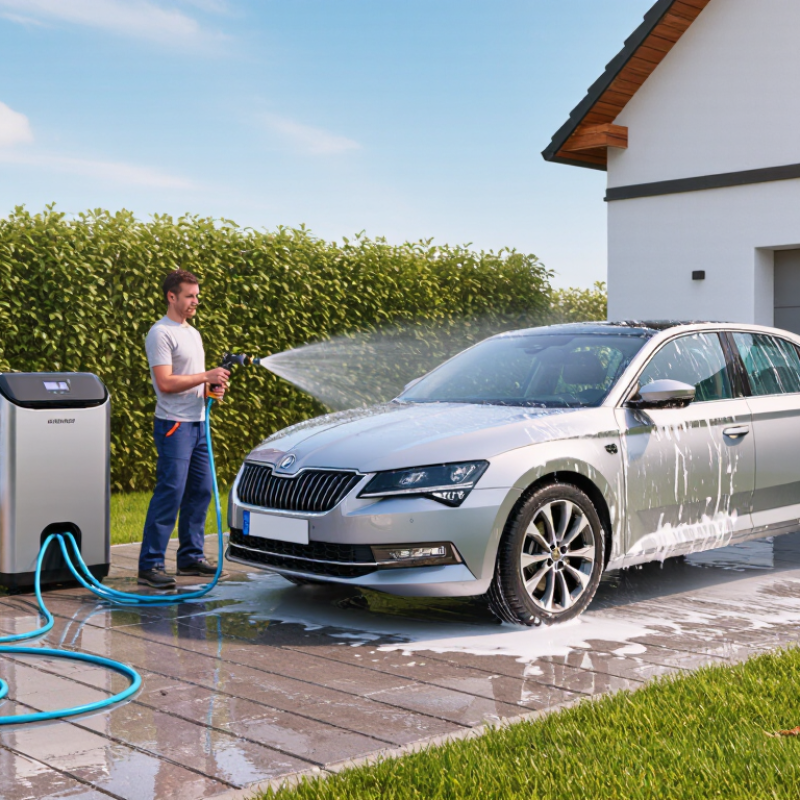
A Home Car Washer can turn a dirty driveway into a controlled cleaning area. The practical appeal is clear: adjustable spray pressure, focused nozzles, and less bending beside the vehicle. I have found that a short pre-rinse can loosen road grit before a microfiber mitt touches the paint. That small step matters. It reduces the chance of dragging sand across clear coat surfaces.

Water efficiency also deserves careful attention. The U.S. Environmental Protection Agency reports that washing a car with a running hose can use up to 100 gallons of water. Its WaterSense guidance recommends shutoff nozzles and more efficient washing methods. The International Carwash Association’s water-conservation research reports that professional facilities can use approximately 40 gallons of fresh water per vehicle, depending on equipment and recycling systems. These figures do not make every home wash wasteful. They show why water control matters.

A suitable Home Car Washer can deliver strong cleaning with measured water flow. However, pressure alone is not the answer. A narrow nozzle used too close may damage trim, decals, or vulnerable paint. Start gently. Keep the spray moving. Use a wide fan pattern around mirrors, seals, and sensors. Local drainage rules should also be checked before washing outdoors. My own preference is simple: clean wheels separately, rinse from top to bottom, and dry with a soft towel. It is not perfect. Hose length, power supply, nozzle quality, and user technique still influence the result. A reliable machine helps, but careful handling creates the real advantage.
Why Choose a Home Car Washer for Easy Cleaning?

What Is a Home Car Washer?

What Is a Home Car Washer?

A home car washer is a compact cleaning machine designed for private driveways, garages, or small yards. It usually combines an electric motor, water pump, hose, spray gun, and adjustable nozzle. The pump increases water pressure, helping remove road dust, mud, salt, and oily film from paint and wheels.

It is not simply a stronger garden hose. A typical pressure washer can deliver focused water through different spray angles, while detergent attachments loosen stubborn grime. The U.S. Department of Energy notes that pressure washers commonly use about two gallons of water per minute, compared with roughly ten gallons from a standard hose. EPA WaterSense also reports that washing a car at home with a hose may consume up to 100 gallons. Less water, when controlled properly.

Practical use still requires judgment. Hold the nozzle too close, and high pressure may damage trim, seals, or delicate paint. I have found that a wider spray and steady movement feel safer than maximum pressure. Start with a rinse. Then wash from the roof downward.

The process is simple, but not careless. Mistakes happen, especially around wheel arches. A home car washer saves effort, yet it does not replace patience, suitable detergent, or a clean microfiber towel.

How Does a Home Car Washer Make Cleaning Easier?

A home car washer makes cleaning easier by bringing the equipment to your driveway. You avoid crowded washing bays and long waiting times. I can rinse away loose grit before touching the paint. That small step reduces the risk of dragging dirt across the surface. The adjustable spray also reaches wheel arches, door gaps, and under bumpers. These areas often collect muddy water and road salt. A foam attachment loosens grime before the hand wash begins. It is not magic, though.

Good cleaning depends on controlled pressure and proper distance. I usually begin with a wide spray pattern and keep the nozzle moving. Testing an unseen area first is sensible, especially on older paint or fragile trim. Strong pressure can damage loose decals, cracked seals, or soft surfaces. Use car-safe detergent and follow its dilution instructions carefully. Rinse from the roof downward, allowing dirty water to flow away. A clean microfiber towel helps prevent fresh water spots. I still miss a small area sometimes, particularly behind the wheels. That is a useful reminder to slow down and inspect the car from different angles.

Which Features Improve Cleaning Efficiency?

A home car washer can make routine cleaning quicker, but its useful features matter more than impressive pressure numbers. Adjustable pressure helps protect paint, mirrors, rubber seals, and delicate trim. A wide spray pattern covers dusty doors quickly, while a narrow nozzle reaches wheel corners and grille gaps. Use the lowest effective setting.

A foam container is valuable when road film has dried. Thick foam loosens dirt before contact washing, reducing the chance of dragging grit across the clear coat. Detachable filters also improve reliability by trapping sand from the water supply. I have found that a longer hose saves time around the vehicle, although it can twist easily without a swivel connection. Small details matter.

Ergonomic handles and balanced weight reduce wrist strain during a full wash. A flow-control trigger can prevent wasted water between panels. Thermal protection is another practical feature, especially during repeated cleaning cycles. Check the electrical protection and keep connections away from puddles. Never assume higher pressure means better cleaning. I still sometimes use too much detergent, which leaves cloudy marks after drying. Measuring the mixture carefully is less exciting, but it produces more consistent results. A soft brush attachment can help with tires, yet it should stay away from painted surfaces unless thoroughly cleaned.

Why Choose a Home Car Washer for Easy Cleaning?

A home car washer can reduce cleaning time by combining controlled water pressure, detergent application and targeted rinsing. The figures below show typical household wash-time estimates for a standard passenger car.

Typical estimates: actual results vary with vehicle size, dirt level, water pressure and operator technique. Adjustable nozzles help target dirt, foam attachments improve detergent coverage, and longer hoses reduce repositioning time.

How to Choose the Right Home Car Washer?

Why Choose a Home Car Washer for Easy Cleaning?

How to Choose the Right Home Car Washer?

Choosing a home car washer starts with pressure, water flow, and control. More pressure is not always better. For regular car cleaning, a practical starting range is 1,200–2,000 PSI with 1.2–1.8 GPM. The U.S. Department of Energy reports that pressure washers usually use about 2 gallons per minute, compared with roughly 10 gallons from a running garden hose. That difference matters during frequent washing. Check the vehicle manual before selecting a nozzle.

A wide fan nozzle is safer for paint than a narrow jet. Keep it about 30–45 centimeters from the surface, and test an unseen area first.

I once focused too much on maximum pressure and ignored handling. The machine was powerful, but awkward around mirrors and wheel arches. Weight, hose length, storage size, and trigger comfort deserve equal attention.

A compact electric model may suit apartment garages, while a battery model offers easier movement but shorter working time.

Look for adjustable pressure, replaceable seals, a reliable filter, and accessible spare parts. A detergent tank is useful, but it should rinse clean easily.

The U.S. Environmental Protection Agency’s WaterSense guidance highlights how much water an uncontrolled hose can waste during car washing. A washer with a trigger stop can reduce unnecessary flow.

Noise also matters in residential areas. Read independent test reports, not only product specifications.

Ratings can look impressive. Real control is harder to measure.

How to Use and Maintain It Safely?

Why Choose a Home Car Washer for Easy Cleaning?

How to Use and Maintain It Safely?

A home car washer can remove road dust, mud, and salt with less scrubbing. Before use, inspect the hose, nozzle, cable, and water connection for cracks. Keep the machine on stable, dry ground. Wear closed shoes and eye protection. I always test the spray on a low setting first. Paint can look stronger than it is.

Keep the nozzle moving while rinsing the car. Holding it close to one area may damage paint, rubber seals, or delicate trim. Avoid spraying directly into door locks, charging ports, air intakes, and electrical connections. Use a detergent designed for vehicle surfaces, and follow its dilution instructions. Never mix cleaning chemicals. Good ventilation matters, even outdoors.

After washing, switch off the power and release pressure before disconnecting anything. Rinse the hose and nozzle, then check the inlet filter for grit. Let every part drain before storage. A frozen hose can split quietly. I once stored mine too quickly, and the damp filter developed an unpleasant smell. Now I dry it longer, though I still occasionally miss a small puddle. Regular inspection feels slow, but it prevents rushed repairs and unsafe operation.

Back To Top