
10 Tips for Choosing the Best Steel Panel Radiator

Choosing the right Steel Panel Radiator affects comfort, energy use, and the visual balance of a room. A radiator may look suitable in a showroom, yet perform poorly beside a large window or uninsulated wall. Heat output, panel size, water temperature, and room heat loss must work together.

This guide shares practical points used when comparing radiators for homes, offices, and renovation projects. It examines steel thickness, single or double panels, convector fins, valve positions, surface coatings, and installation space. Room measurements matter. A compact bedroom needs different heating capacity from a high-ceilinged living room. Checking manufacturer data and recognized testing information can prevent expensive guesswork.

Small details often decide long-term satisfaction. A white finish can hide dust but may not match every interior. A slim radiator saves wall space, although it may provide less output. Choosing the cheapest model can also create problems. Poor sizing may leave cold corners, while excessive capacity can cause uncomfortable temperature swings. That lesson is easy to overlook.

The following ten tips help readers compare performance, durability, safety, maintenance needs, and overall value. They also encourage careful questions about warranties, corrosion protection, mounting brackets, and compatible valves. Professional advice remains useful when heating systems are complex or recently altered. No single radiator suits every property. Careful selection does.
10 Tips for Choosing the Best Steel Panel Radiator

Understanding Steel Panel Radiator Types and Heating Requirements

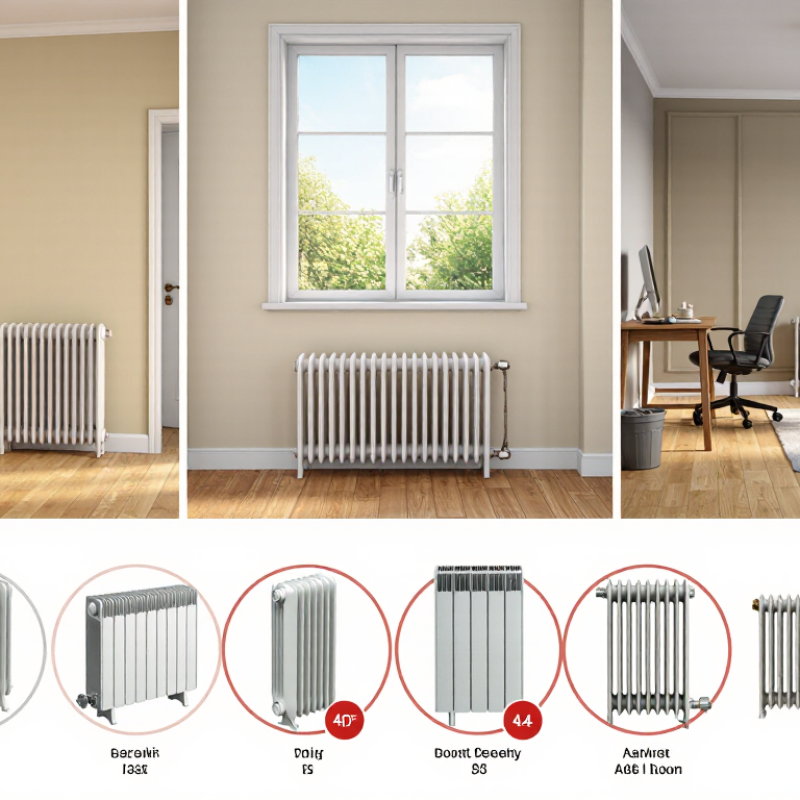
Steel Panel Radiators come in several forms, and each suits a different heating requirement. Single-panel models warm smaller rooms efficiently, while double-panel designs provide more output from the same wall space. Convector fins increase heat transfer, but they may collect dust between the panels. This matters in bedrooms, nurseries, and homes with allergy concerns. Measure the room before choosing a radiator. A cold corner, large window, or poorly insulated wall can raise the required output.

Tip 1: Match radiator output to the room’s calculated heat loss, not its floor area alone. A heating professional can assess insulation, glazing, ceiling height, and local climate.

Tip 2: Check the pipe connection layout before ordering. A radiator can fit physically yet remain difficult to connect. Measure twice.

Material thickness, coating quality, and operating pressure also affect dependable performance. Look for clear technical data, corrosion protection, and tested pressure ratings from reliable documentation. In bathrooms, select a suitable finish and maintain ventilation, because persistent moisture can shorten service life. Thermostatic valves help control room temperature, though placement near curtains or furniture can distort readings.

I once underestimated the effect of a drafty window; the room stayed cool despite a correctly sized panel. That mistake is worth remembering.

Leave space above and below the radiator for air movement, and avoid covering it with deep furniture.

Tip 3: Choose practical heat control over appearance alone. A slim panel looks neat, but the wrong output creates daily discomfort.

Checking Heat Output, Room Size, and Energy Efficiency

10 Tips for Choosing the Best Steel Panel Radiator

Heat output should guide your choice, not appearance alone. Measure the room’s length, width, and ceiling height. Then consider insulation, window size, and outside-wall exposure. A small bedroom with double glazing may need far less heat than the same-sized room with a drafty window. Room-size charts help, but they can mislead.

Ask for a heat-loss calculation in watts. A qualified heating professional can assess walls, windows, ventilation, and the local design temperature. Oversizing slightly can improve comfort, but excessive output may cause short heating cycles and uneven warmth.

I once underestimated a hallway because it looked narrow. Cold air from the front door changed the result.

Energy efficiency depends on the whole system. A correctly sized radiator can work well with lower water temperatures, especially alongside modern heating controls. Check whether the panel has fins, the correct connection position, and enough clearance from furniture. Keep curtains above the radiator. Do not cover it with a deep cabinet. Small details matter. Compare output at the same flow and return temperatures, or the figures may appear better than they are. Also check installation quality, valve control, and balancing between rooms. A cheaper radiator can perform poorly if heat cannot circulate around it.

Comparing Materials, Finishes, and Panel Configurations

Steel Panel Radiators: Comparing Materials, Finishes, and Panel Configurations

Material choice affects heat transfer, weight, durability, and installation effort. Steel remains popular because it offers good rigidity and predictable performance. Aluminum heats quickly, but it can cost more and may require careful system compatibility checks. Copper transfers heat efficiently, yet it is rarely the practical choice for standard panel radiators.

The International Energy Agency reports that buildings used about 30% of global final energy in 2022. Small design decisions matter. Choose a radiator tested to EN 442, and compare outputs at the same temperature difference.

A double-panel radiator with convector fins usually provides more output than a single panel of equal height. Triple-panel models add capacity, but they also project farther into the room. More is not always better.

Finish quality deserves close inspection. Powder coating can protect steel and create a consistent surface, while darker colors may feel warmer visually but do not guarantee meaningful heat gains. Look for uniform edges, sealed welds, and a corrosion-resistant internal treatment.

In humid rooms, ordinary assumptions can fail. I have seen attractive units develop problems near frequent splash zones.

Clearance also matters; curtains and deep shelves can restrict convection. The U.S. Department of Energy notes that blocked heat emitters reduce effective room heating, although the exact loss depends on room layout. Specification sheets help, but real installation conditions still require judgment.

Evaluating Installation Options, Controls, and Maintenance Needs

Choosing the best steel panel radiator starts with the room, pipework, and daily habits. A double-panel model gives more output, but it also needs stronger wall fixings. Check wall construction before ordering. Plasterboard alone may not hold a heavy radiator safely. Floor-standing supports can help.

Installation affects comfort and efficiency. Ask for hydraulic balancing, especially in homes with several radiators. The Chartered Institution of Building Services Engineers recommends balancing systems to improve water distribution and room temperature control. The European Commission reported that space heating used about 63% of household energy in the European Union in 2022. Small control improvements matter. Thermostatic radiator valves should match room use, with lower settings in bedrooms and unused spaces. Keep curtains and furniture away from the valve. Otherwise, the sensor may read trapped warm air.

Simple controls are often more reliable. The U.S. Department of Energy states that temperature setbacks can save up to 10% on annual heating and cooling costs. Use a programmable controller where schedules are stable. Manual adjustment may suit irregular routines better. That detail is easy to miss. Check for cold spots, dripping valves, and rust before each heating season. Bleed air only when needed, then check system pressure. Clean the panel with a soft brush, not aggressive chemicals. I would not claim every “high-efficiency” radiator saves money; insulation, boiler settings, installation quality, and user behavior often matter more.

Balancing Quality, Warranty, and Overall Purchase Cost

10 Tips for Choosing the Best Steel Panel Radiator

A low purchase price can hide higher installation and operating costs. The International Energy Agency reports that buildings used about 30% of global final energy in 2022 (IEA, Buildings 2023). Heating choices deserve careful comparison, even in a small room. Check heat output under the same temperature conditions, preferably those defined by EN 442. A larger panel is not automatically better. Room size, insulation, window area, and water temperature all affect performance.

30% of global final energy in 2022
Heating choices deserve careful comparison.

Compare the complete cost, not only the invoice. Include valves, brackets, delivery, labor, and possible pipe changes. The U.S. Department of Energy states that lowering a thermostat by 7–10°F for eight hours can save up to 10% annually (Energy Saver). A radiator that performs well at lower water temperatures may therefore reduce future energy use. Ask for verified output data, steel thickness, coating details, and corrosion protection. Numbers matter.

Warranty length is only one part of protection. Read coverage limits, installation requirements, excluded corrosion, and the process for reporting defects. A ten-year warranty may be weak if labor and removal costs are excluded. European Commission data indicates that heating, cooling, and hot water represent about 80% of household energy use in the EU. That figure makes efficiency relevant, but it does not remove the need for practical judgment. I would question any quote with impressive claims but no test conditions, service terms, or replacement-cost estimate. Cheap can become expensive.

Back To Top