
Top Metal Sanding Machines for Sale Worldwide

Choosing the right Metal Sanding Machine can influence surface quality, production speed, and workplace efficiency. Across global markets, manufacturers offer wide-belt sanders, tube sanders, brush sanding systems, and automated finishing lines. Each design serves different metal types, dimensions, abrasives, and production volumes.

A reliable comparison should examine motor power, sanding width, belt speed, dust extraction, and control accuracy. Stainless steel panels may need fine abrasive belts and steady pressure. Welded frames often require stronger stock-removal capacity. Operators also need clear access to emergency stops, guarded moving parts, and adjustable working tables. These details matter during long production shifts.

Real workshop experience shows that the highest price does not always indicate the best value. Maintenance access, replacement parts, training support, and energy consumption can change the ownership cost. Supplier documentation and verified customer feedback deserve careful attention. Still, product claims should be checked against actual material thickness and finish requirements. No single machine fits every workshop. That is worth remembering.

This guide reviews leading Metal Sanding Machine options for sale worldwide. It considers practical performance, construction quality, operating flexibility, and supplier credibility. The discussion also recognizes regional differences in power systems, service availability, and workplace expectations. Some comparisons may remain imperfect because factory conditions vary. A machine that performs well on aluminum may disappoint on heavy carbon steel. Clear specifications, sample testing, and a realistic production assessment can reduce that risk. Reliable results begin with honest requirements.
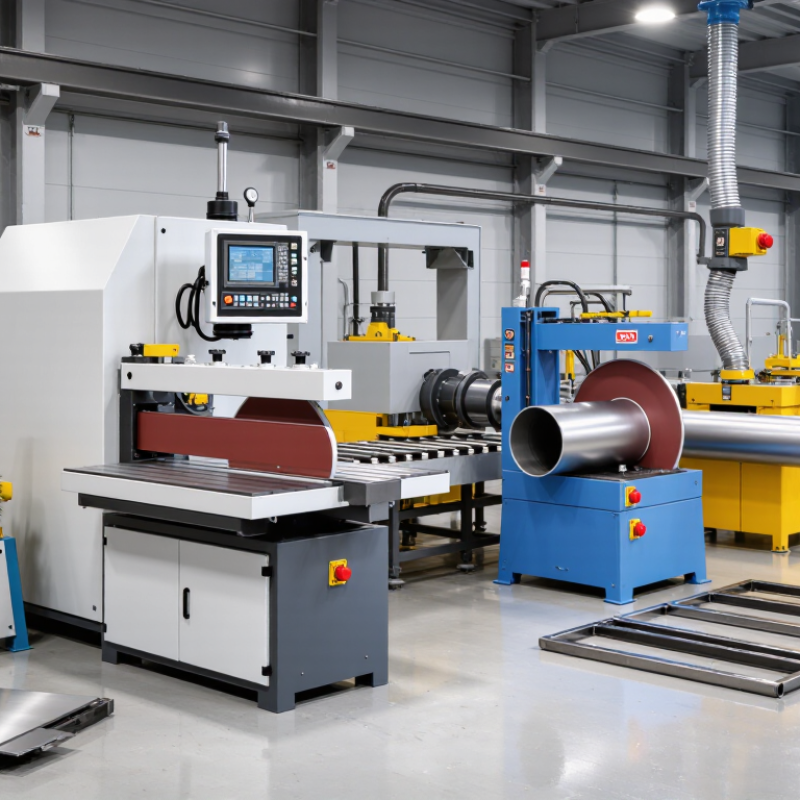
Top Metal Sanding Machines for Sale Worldwide

What Are Metal Sanding Machines and How Do They Work?

Metal sanding machines are workshop tools that smooth, deburr, and shape metal surfaces. They remove material with abrasive belts, discs, or wheels. A motor drives the abrasive surface at a controlled speed. The operator guides the workpiece against a platen, contact wheel, or sanding table.

Different machines suit different tasks. Wide-belt models level large sheets, while narrow-belt units handle edges and welded joints. Coarse abrasive grit removes mill scale and deep scratches. Fine grit prepares steel, aluminum, or stainless surfaces for coating or polishing. Feed speed and contact pressure also affect the result. Too much pressure can create uneven marks.

Heat is a common problem. It may discolor metal or change its surface condition. Some machines use cooling systems or dust extraction to control heat and particles. In practical workshop use, consistent movement produces a cleaner finish than force. Keep the workpiece stable. Check guards and emergency controls before operation. Wear suitable eye, hearing, and respiratory protection.

A machine that looks powerful is not always the best choice. Its abrasive width, motor capacity, speed range, and replacement-part access deserve careful review. I would not trust a glossy sample alone. A hidden burr can remain under a bright finish. Testing the machine with your actual metal grade is wiser, although many buyers skip this step. Scrap metal can reveal problems early.

Key Types of Metal Sanding Machines for Different Applications

Top Metal Sanding Machines for Sale Worldwide

Metal sanding machines vary by workload, finish, and workpiece shape. Belt sanders suit weld removal, edge blending, and deburring on steel plates. Disc sanders offer controlled work around corners and smaller components. Wide-belt machines process flat sheets quickly, with consistent pressure across the surface. A 2024 Grand View Research report estimated the global industrial abrasives market at more than USD 40 billion. That scale reflects rising demand for repeatable surface preparation.

For pipes, shafts, and round bars, centerless sanding machines maintain steady contact around curved surfaces. They can produce uniform finishes without clamping each part. Orbital and rotary sanders work better for localized repair, brushed textures, and delicate stainless-steel panels. Choose grit, belt speed, and contact-wheel hardness together. One setting rarely fits every alloy.

Surface quality needs measurement, not visual confidence alone. ISO 21920 provides terminology and evaluation methods for surface texture. Production teams should record roughness readings, belt life, dust levels, and rework rates. A 2023 industry analysis by MarketsandMarkets reported continued growth in automated metal-forming equipment, driven by productivity and labor pressures. Automation helps, but it can also hide poor setup choices. I would test a sample first. Even experienced operators sometimes chase a brighter finish and remove too much metal. Fresh abrasives cut faster, yet excessive pressure can leave heat discoloration, visible swirl marks, or distorted edges.

Top Metal Sanding Machines for Sale Worldwide

Typical working width by machine type for different metal-finishing applications

Wide-belt sanding machines generally support the largest working widths for sheet and plate finishing, while backstand, tube, and centerless machines are designed for narrower parts, profiles, pipes, and cylindrical components. The figures show representative industry-standard working widths and are not tied to any specific company or brand.

Essential Features to Compare Before Purchasing

Top Metal Sanding Machines for Sale Worldwide

Essential Features to Compare Before Purchasing

Choosing a metal sanding machine requires more than checking motor power. Compare sanding width, belt speed, feed rate, and thickness capacity. These specifications determine productivity and surface consistency. A wider belt covers large panels faster, while adjustable speed protects heat-sensitive metals. Excessive heat can cause discoloration or distortion.

Examine the feed system carefully. A stable conveyor should hold thin sheets without slipping or vibrating. Check whether pressure rollers adjust for different workpiece thicknesses. Dust extraction is equally important, especially when sanding produces fine metallic particles. Look for sealed guards, accessible emergency stops, and clear maintenance instructions. Verify electrical requirements before importing equipment across regions. Voltage, frequency, and conformity documents may differ by market.

Inspect the machine’s frame, bearings, abrasive tracking, and replacement-part availability. A powerful motor is not automatically better. It may increase energy use and create unnecessary heat. Ask sellers for sample finish results on your actual metal grade. Small scratches often appear only under strong workshop lighting. Some experienced buyers overlook operator access during inspections. That mistake can make routine belt changes slow and frustrating. Leave space around the machine for cleaning and adjustment. No model suits every workshop. Consider your daily workload, surface tolerance, available extraction system, and technician skills before comparing final prices.

Top Metal Sanding Machines for Sale Worldwide - Essential Features to Compare Before Purchasing
Machine Type Typical Abrasive Common Working Capacity Typical Motor Range Best-Suited Applications Key Features to Compare Dust and Spark Control Important Purchasing Checks
Portable Angle Grinder Flap discs, grinding discs and fiber discs Disc diameter: 100–230 mm 700–2,600 W Weld blending, edge preparation, rust removal and localized surface finishing Variable-speed control, spindle-lock design, low-vibration handle, overload protection and disc guard adjustment Use a compatible extraction shroud where available; sparks require a controlled work area and fire-resistant surroundings Confirm disc compatibility, operating speed, electrical plug, local voltage, duty cycle and operator safety requirements
Portable Belt Sander Abrasive belts Belt width: 20–75 mm 500–1,500 W Linear weld removal, deburring and finishing on tubes, profiles and narrow flat surfaces Adjustable sanding arm, belt-tracking system, quick belt change, variable speed and ergonomic grip Integrated dust port is useful for dry sanding; metal sparks must be isolated from combustible dust and materials Check arm reach, minimum contact radius, belt availability, tracking stability and replacement-belt cost
Stationary Belt and Disc Sander Endless belts and coated abrasive discs Belt width: 50–150 mm; disc diameter: 150–300 mm 750–2,200 W Small-batch deburring, shaping, weld cleanup and general workshop metal finishing Rigid work table, adjustable mitre guide, emergency stop, stable base, replaceable platen and accessible controls Extraction port and spark-resistant collection arrangement should be evaluated; avoid mixing metal dust with combustible dust Verify table angle range, belt speed, abrasive replacement procedure, guarding and available floor space
Tube and Pipe Belt Grinder Narrow abrasive belts Tube diameter: approximately 20–120 mm 1,200–2,500 W Tube notching, polishing, satin finishing and circumferential weld preparation Adjustable contact arm, controlled belt tension, variable speed, consistent wrap angle and quick-change tooling Extraction support depends on the contact-arm design; use spark containment and suitable ventilation Check supported tube diameter, minimum radius, belt dimensions, finish consistency and replacement contact wheels
Wide-Belt Metal Finishing Machine Wide abrasive belts, brush heads or nonwoven belts Working width: 600–1,350 mm; thickness: often 0.5–120 mm Approximately 15–75 kW total installed power High-volume deburring, edge rounding, oxide removal, weld leveling and uniform finishing of sheet metal Automatic thickness setting, abrasive-belt monitoring, feed-speed control, multiple sanding heads and calibrated pressure rollers Dedicated wet or dry filtration may be required; the extraction system should match metal type and abrasive process Compare line speed, usable width, minimum and maximum workpiece thickness, head configuration, installation space and service access
Long-Belt Sanding Machine Long abrasive belts Working width: commonly 600–1,300 mm Approximately 3–15 kW Large fabricated parts, stainless-steel panels, weld smoothing and manual finishing of oversized workpieces Large sanding table, adjustable belt tracking, robust platen, variable belt speed and clear work-area visibility Central extraction is recommended; sparks and hot particles should be directed away from filters and combustible surfaces Assess table dimensions, belt replacement time, operator access, abrasive tensioning and available overhead clearance
Centerless Through-Feed Grinder Grinding wheel and regulating wheel Round stock diameter: commonly 1–150 mm, depending on configuration Approximately 10–100 kW Continuous cylindrical finishing of bars, shafts, pins and other round metal components Through-feed or plunge-feed capability, adjustable work-rest blade, wheel dressing system and precise feed control Wet coolant filtration is commonly used for production grinding; enclosure and mist control should be included Confirm diameter range, roundness tolerance, throughput, wheel dimensions, dressing method and coolant-management requirements
Robotic or CNC Abrasive Finishing Cell Abrasive belts, discs, wheels or brushes Work envelope varies; commonly 500–2,000 mm reach Spindle or tool power: approximately 1–15 kW Repeatable weld finishing, deburring and surface preparation for complex or high-volume components Force control, programmable tool paths, automatic tool changing, part fixturing, collision detection and process monitoring Fully enclosed guarding with interlocks and engineered extraction is normally required for production use Evaluate cycle time, programming requirements, fixture flexibility, integration with existing equipment and operator training
Technical ranges are typical values for commercially available metal sanding equipment and vary by configuration, abrasive specification, material and regional electrical standards. Always verify the manufacturer's current data sheet, guarding requirements and local compliance documentation before purchase.

How to Select the Right Machine for Your Metalworking Needs

Choosing among top metal sanding machines for sale worldwide starts with the workpiece, not the price tag. World Steel Association data recorded about 1.89 billion tonnes of crude steel production in 2023. That scale reflects diverse finishing demands, from welded frames to precision components. Select a wide-belt sander for flat sheets, a tube sander for curved profiles, or a deburring machine for sharp laser-cut edges. Match the abrasive grain, belt speed, and contact pressure to the metal grade.

Grand View Research estimates the global abrasives market will continue expanding through 2030. This growth makes specification discipline more important. Check working width, motor power, dust extraction, and replacement abrasive costs. A powerful motor can remove material quickly, but excessive pressure may create heat tint or uneven surfaces. Variable-speed control helps when switching between stainless steel, aluminum, and carbon steel. Confirm that the machine supports your required surface roughness and hourly production rate.

Safety and maintainability deserve equal attention. ISO 12100 provides a practical framework for machinery risk assessment, while effective extraction reduces airborne metal dust around the operator. Inspect guarding, emergency stops, noise levels, and filter access before purchase. Ask for trial results using your actual parts. I have seen specifications look perfect, yet a test panel exposed vibration and inconsistent finishing. That mistake is expensive. Leave room for operator training, floor space, and future workload changes.

Safety, Maintenance, and Global Buying Considerations

Top Metal Sanding Machines for Sale Worldwide

Buying a metal sanding machine requires more than comparing power and price. In workshop use, stable operation matters when removing weld marks or smoothing sharp edges. Check the machine’s abrasive width, motor load, dust-control design, and emergency stop access. A clear guard and firm work support reduce hand movement near the abrasive surface. Choose a model that matches your material thickness and daily workload. Oversized equipment can waste energy and floor space.

Maintenance protects both performance and operator safety. Inspect belts, discs, guards, cables, and extraction hoses before each shift. Replace damaged abrasive media immediately. Fine metal dust can collect around vents and electrical parts, so clean these areas with suitable industrial equipment. Do not use compressed air carelessly. It may spread particles into bearings or breathing zones. I have seen small cleaning delays become expensive repairs. A maintenance log helps, although busy teams sometimes forget to update it.

Tips: Confirm voltage, plug type, frequency, and shipping conditions before ordering internationally. Ask for spare-part availability and clear service instructions. Verify recognized safety certifications for your destination. Request operating noise data if the machine will run indoors. Leave space for ventilation and material handling. A perfect setup rarely exists, so test the machine with your actual metal samples before full production.

Back To Top